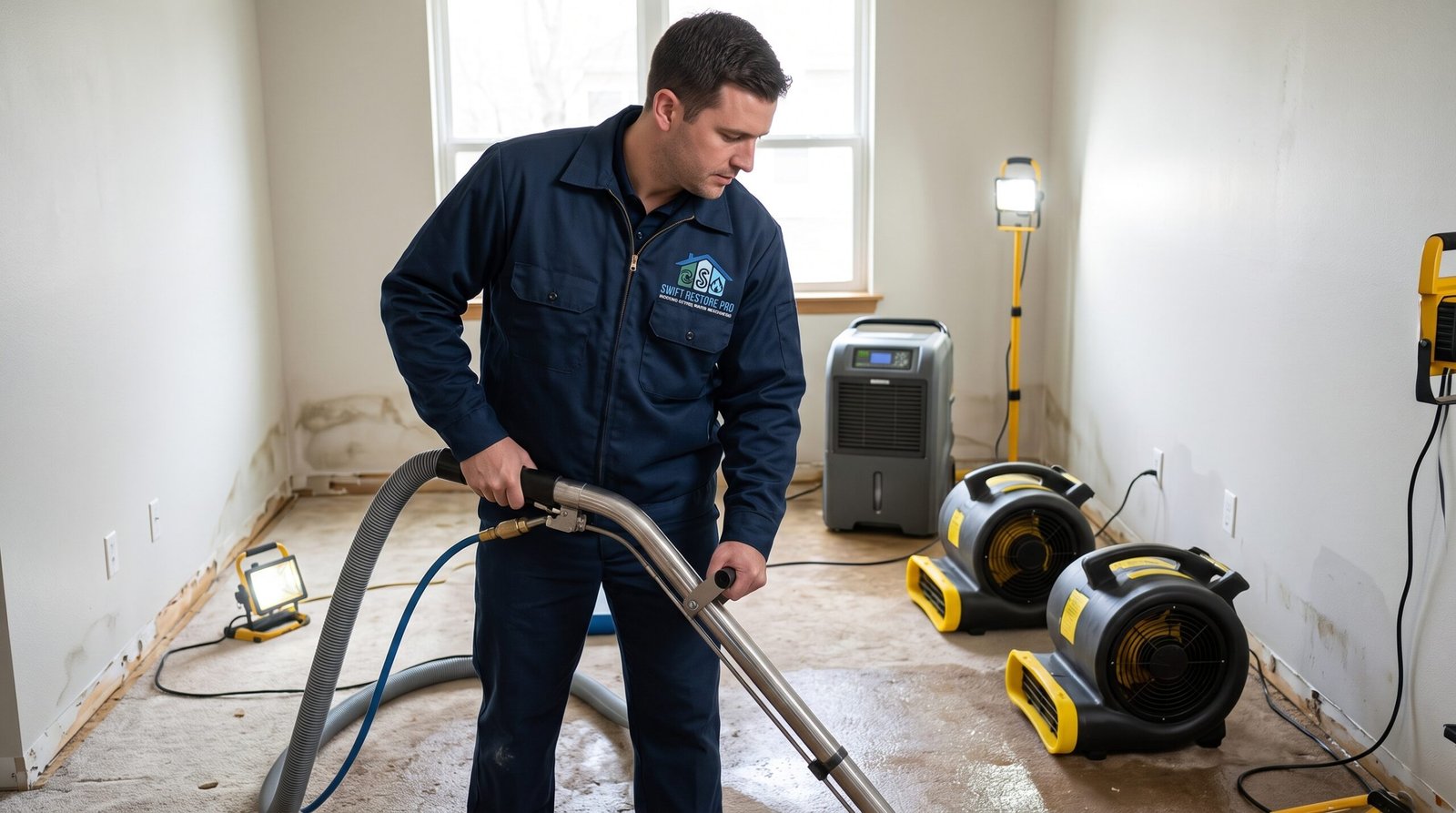
We provide urgent, certified solutions to eliminate mold and stop water damage from destroying your property. Safe, complete restoration.
24/7 water extraction, drying, and certified mold removal to keep your property safe.
Learn More →
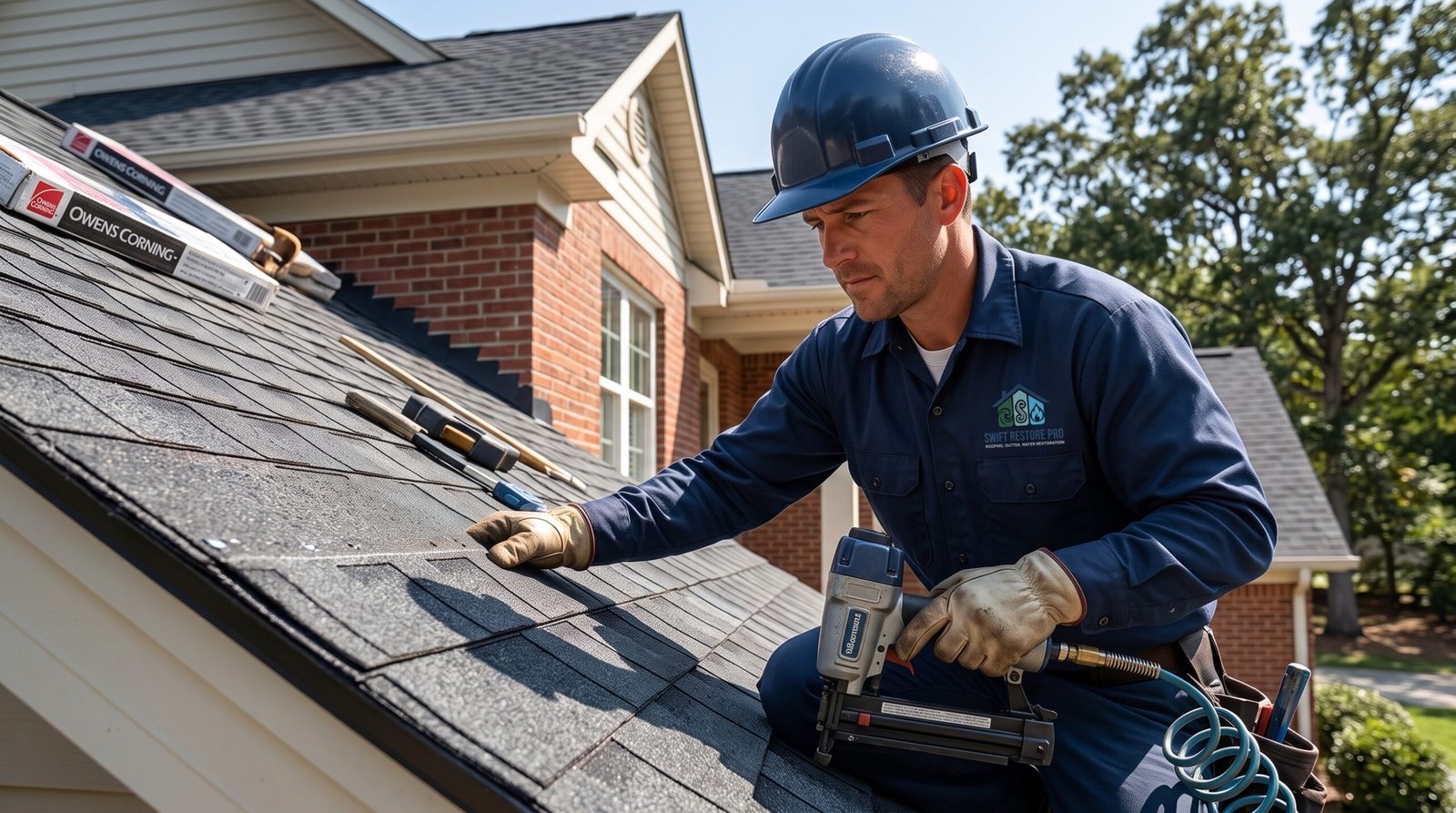
Professional full roof installation using long-lasting, weather-resistant materials.
Learn More →
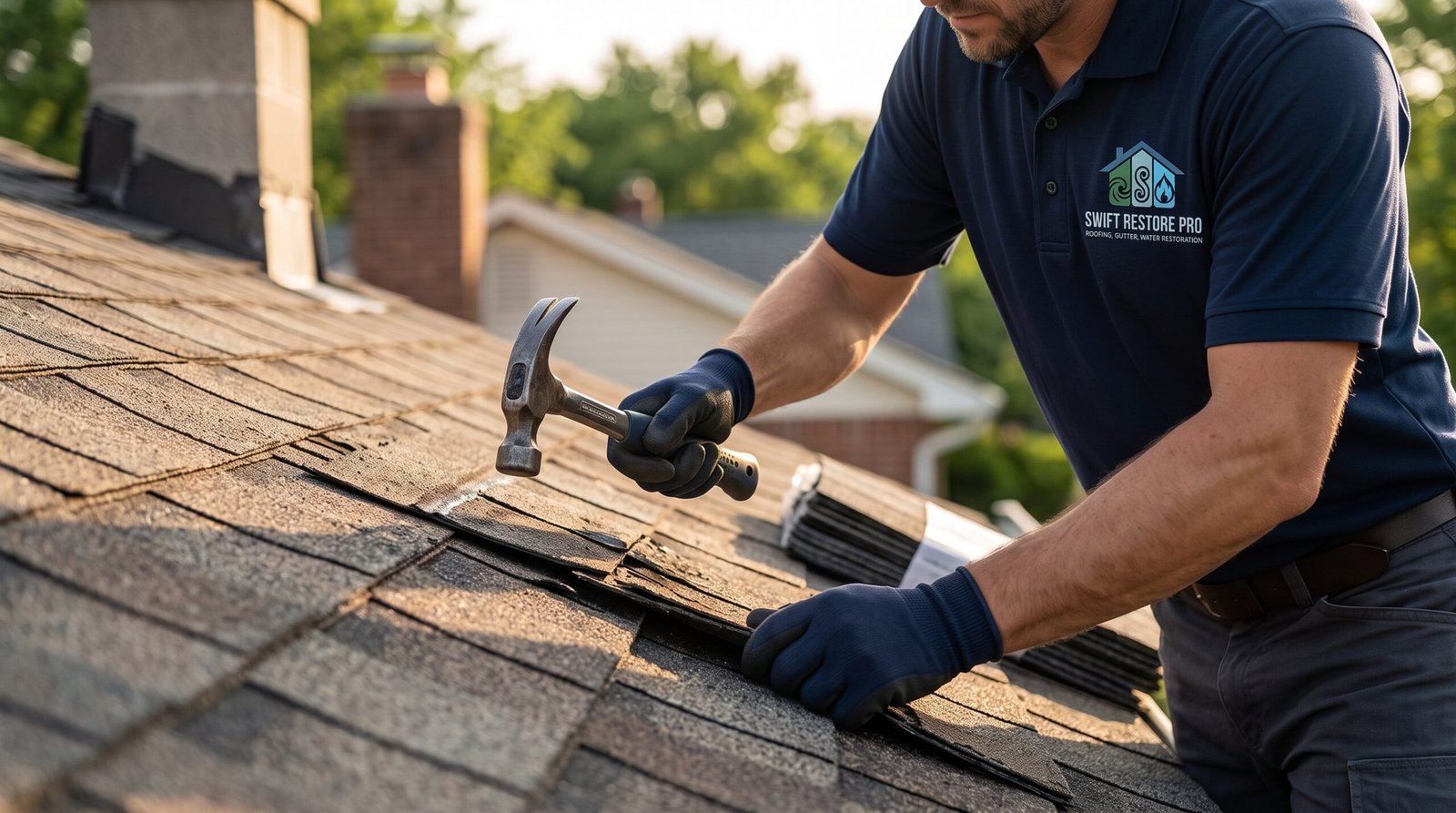
Fast and reliable leak repairs and structural fixes to prevent further home damage.
Learn More →
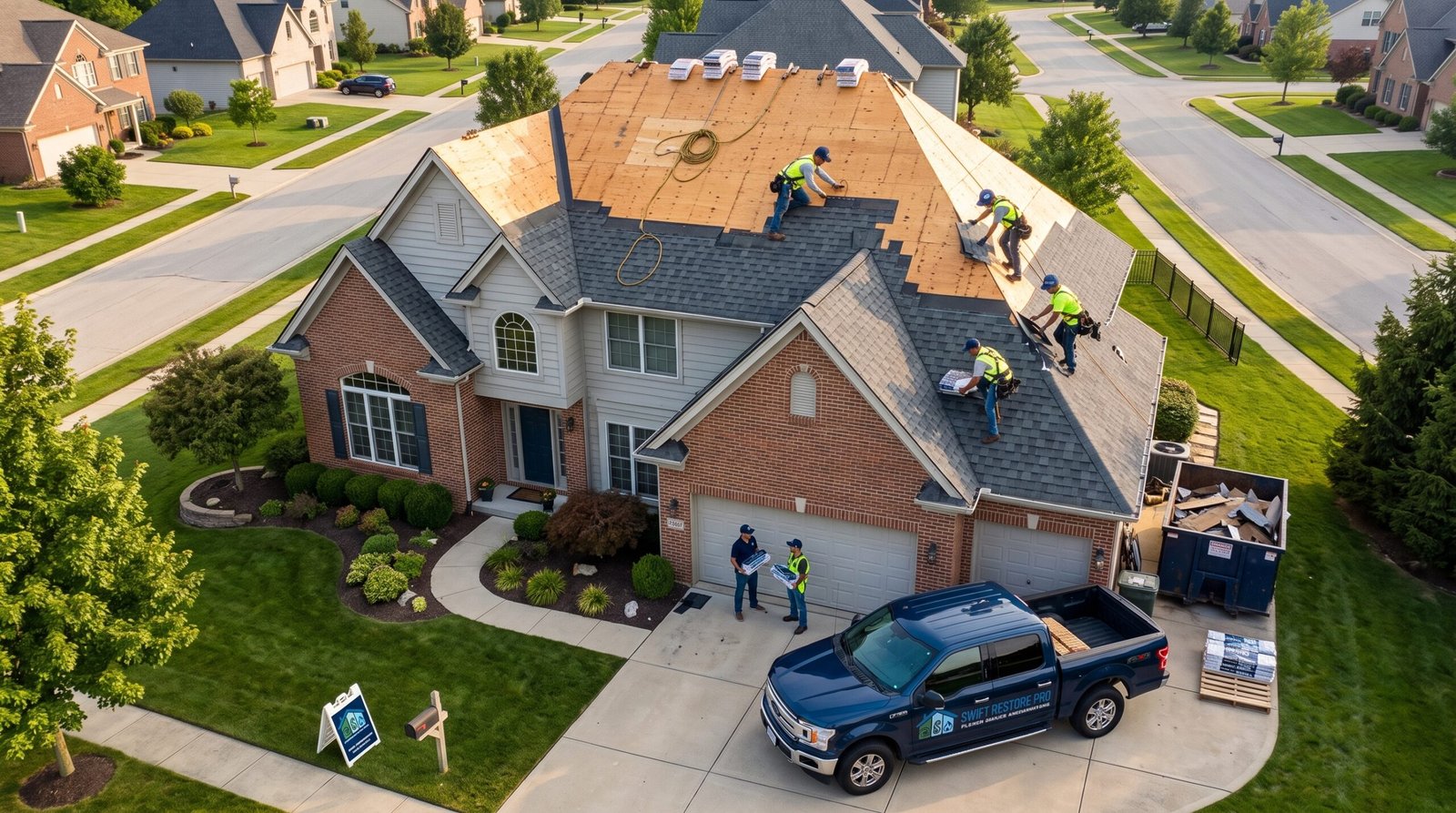
Complete end-to-end roof replacement backed by solid material & service warranties.
Learn More →
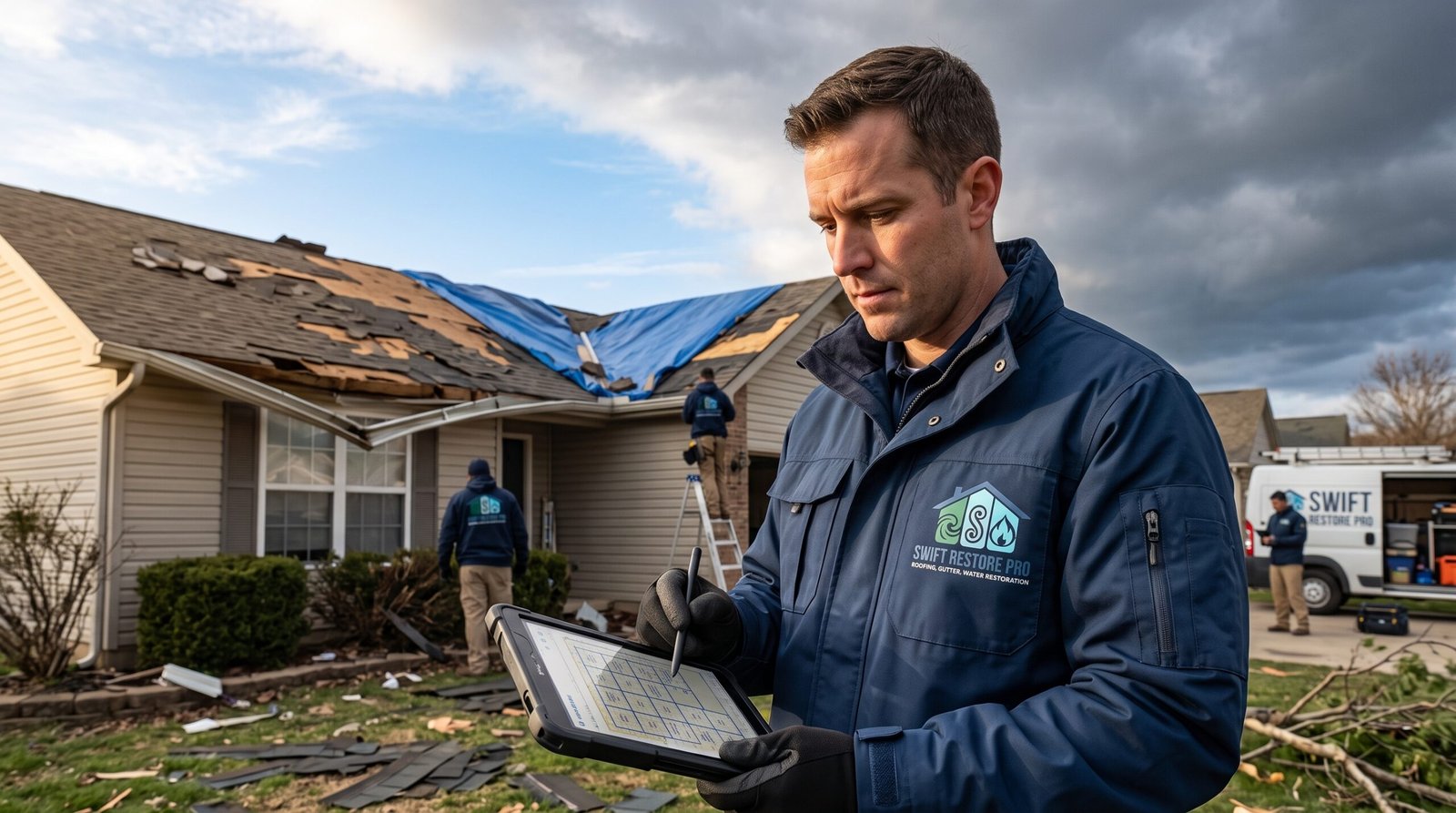
Rapid emergency response to repair heavy wind, hail, and storm damage.
Learn More →
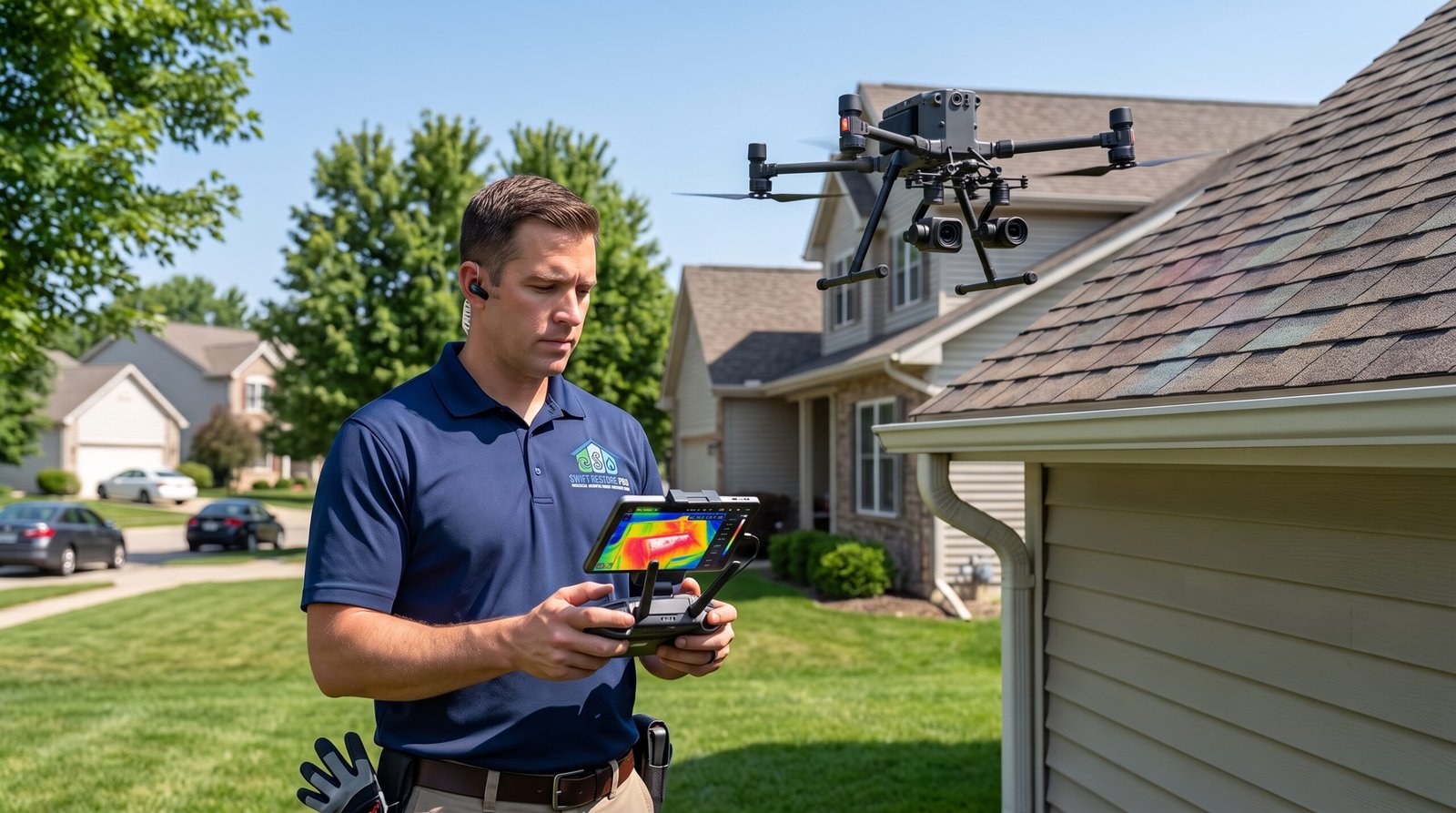
Comprehensive thermal and visual inspection reports for home buying or safety checkups
Learn More →We identify the source and extent of damage.
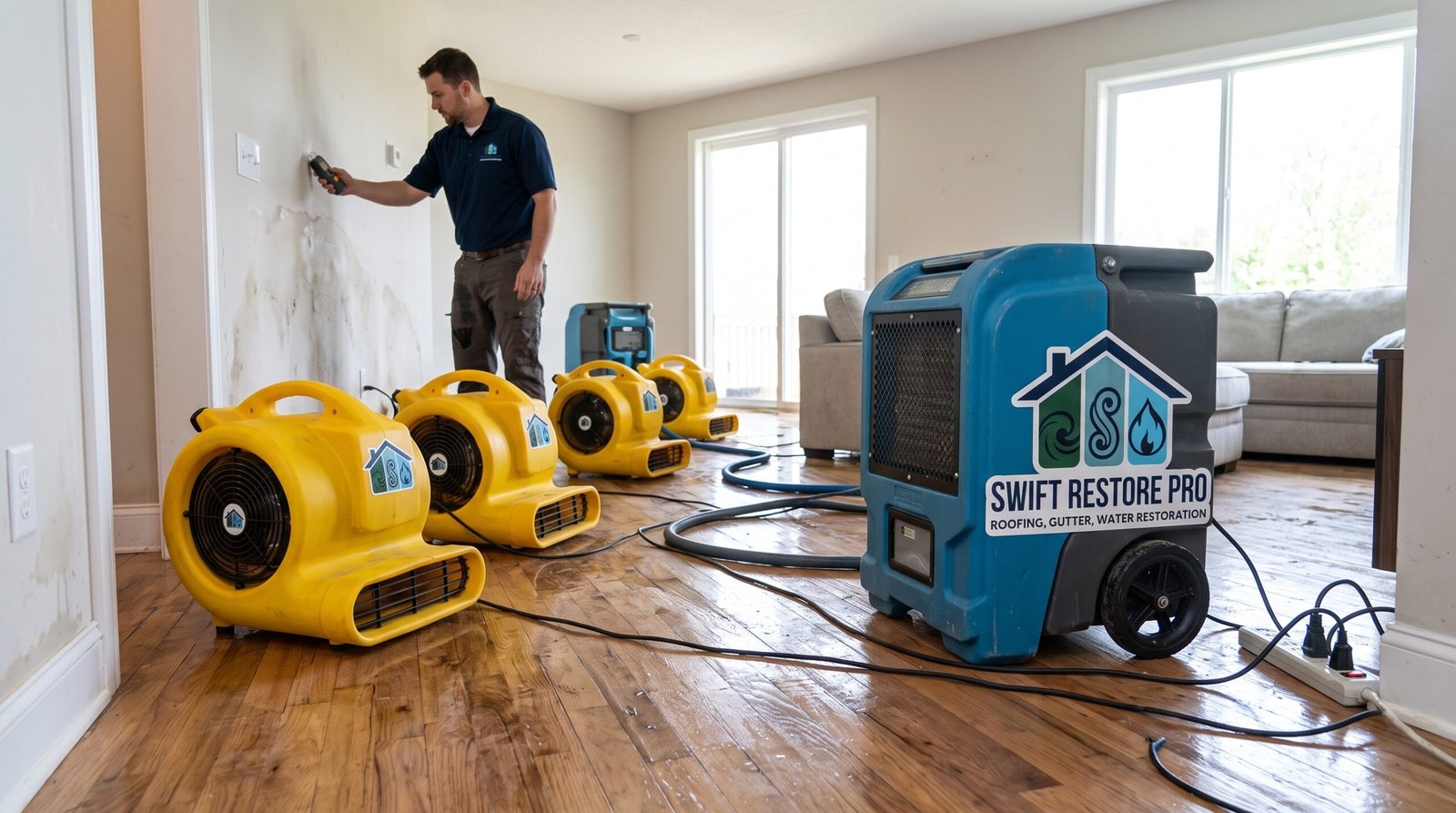
We identify the source and extent of damage.
Mold can begin to germinate and grow in as little as 24 to 48 hours after a water intrusion event. It is critical to address any moisture problems, including hidden leaks and flooding, immediately. The Swift Restore Pro team uses advanced drying equipment to rapidly remove humidity and moisture, significantly reducing the risk of mold growth.
Generally, mold damage coverage depends on the source of the water problem that caused the mold. If the mold resulted from a sudden and accidental event, like a burst pipe, it is often covered. However, mold due to long-term neglect, lack of maintenance, or repeated leaking may not be covered. We can work directly with your insurance company to help you navigate the claims process effectively.
Our restoration specialists use non-invasive, specialized tools like thermal imaging cameras (as shown above) and highly sensitive moisture meters. These advanced technologies allow us to “see” temperature differences and measure moisture levels within walls, under floors, and in ceilings without damaging your property.
Our comprehensive mold remediation process follows strict industry standards (IICRC):
Inspection: Identifying the source and extent of the mold.
Containment: Using negative air pressure and barriers to prevent mold spores from spreading.
Filtration: Using industrial air scrubbers with HEPA filters to clean the air.
Removal: Safe extraction of moldy materials.
Cleaning: Disinfecting and treating the affected areas.
Drying: Ensuring all moisture is gone to prevent regrowth.
Your safety is our primary concern. For minor, localized water damage, you may be able to stay. However, if the damage is extensive, involves Category 3 (black) water (sewage), requires high-powered air movers that generate significant noise and humidity, or if mold growth is found, we may recommend finding alternative accommodations until the initial cleaning and drying phases are complete.